Antigua & Barbuda Genealogy Research Guide: History, Slavery & Records

Antigua and Barbuda is a twin-island nation in the Eastern Caribbean with deep roots in British colonial history and the transatlantic slave trade. For those conducting Antigua & Barbuda genealogy research, understanding its colonial structure and emancipation timeline is essential.

Colonial History

The islands were claimed by England in 1632 and became part of Britain’s expanding Caribbean sugar economy. Antigua developed into a major sugar-producing colony in the 17th and 18th centuries, relying heavily on enslaved African labor.

Antigua & Barbuda remained under British control for over 300 years before gaining independence from the United Kingdom on November 1, 1981. Today, it remains a member of the Commonwealth.

Slavery in Antigua & Barbuda

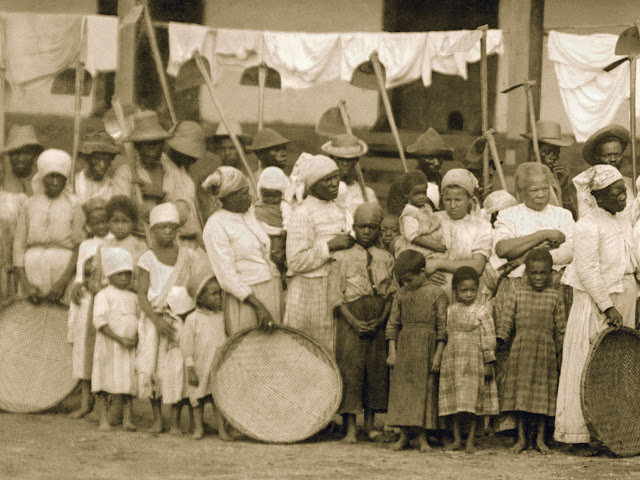
Enslaved Africans were brought to Antigua beginning in the mid-1600s to work on sugar plantations. By the 18th century, the enslaved population significantly outnumbered European settlers.

Slavery in Antigua officially ended on August 1, 1834, when Britain enacted emancipation across most of its Caribbean colonies. Unlike some other territories, Antigua moved directly to full emancipation without a prolonged apprenticeship system.

This makes 1834 a critical date for genealogical research involving Afro-Antiguan ancestry. Plantation records, slave registers (especially those created after 1817 when Britain required slave registration), and parish records are key sources.

Immigration & Population Influences

Antigua & Barbuda’s population reflects:

  • African ancestry (majority of the population)

  • British colonial families

  • Smaller migrations from other Caribbean islands

  • Post-emancipation labor movement within the British West Indies

Because of inter-island migration, Antiguan families may also appear in records from Jamaica, Barbados, St. Kitts, or other British Caribbean colonies.

Key Records for Antigua & Barbuda Genealogy Research

When tracing ancestry in Antigua & Barbuda, researchers should look for:

  • Anglican parish records (baptisms, marriages, burials)

  • Methodist and Moravian church records

  • British colonial slave registers (post-1817)

  • Civil registration records (began in the late 19th century)

  • Probate and land records

Understanding the island’s British colonial structure, slavery timeline, and emancipation date will greatly improve your Antigua & Barbuda genealogy research results.