Bahamas – Historical Overview for Genealogical Research

The Bahamas is an archipelago of more than 700 islands and cays in the Atlantic Ocean. Spain first claimed the islands after Christopher Columbus arrived in 1492. However, England established permanent control in 1648 when settlers from Bermuda formed a colony on Eleuthera.

During the 18th century, the Bahamas became strategically important to the British Empire. After the American Revolutionary War, thousands of Loyalists relocated from the American colonies to the Bahamas. They brought enslaved Africans with them and expanded plantation agriculture across islands such as New Providence, Exuma, and Abaco.

Nassau developed into a commercial and administrative center. Slave markets operated there, and enslaved Africans were sold at public auction blocks before being sent to plantations throughout the Bahamas and other Caribbean territories. These forced migrations shaped family lines across the region.

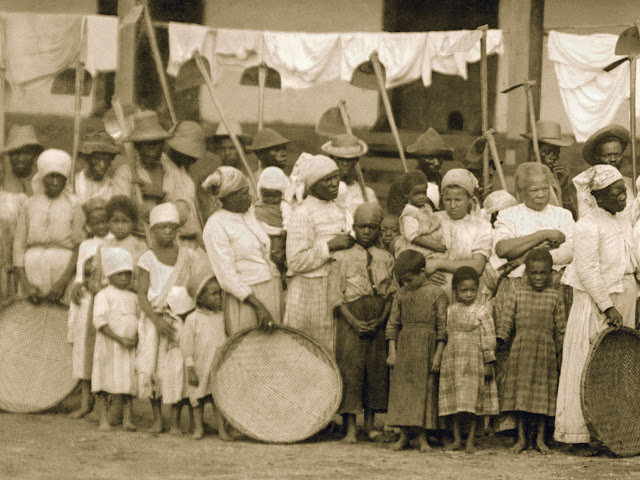
Enslaved Africans came primarily from West and West-Central Africa. Their labor supported cotton plantations, salt production, maritime industries, and domestic service. By the early 19th century, people of African descent formed the majority of the population.

Britain abolished slavery in 1834, with full emancipation in 1838. After emancipation, many formerly enslaved families established independent settlements known today as “Over-the-Hill” communities in Nassau and on the Family Islands. These communities play a key role in Bahamas genealogical research.

The Bahamas gained independence from the United Kingdom in 1973. Today, family historians researching Bahamas ancestry will find valuable records in:

  • Anglican parish registers

  • Slave registers and compensation records

  • Loyalist land grants

  • Probate and estate files

  • Colonial administrative documents

  • Shipping and maritime records

Understanding slavery, Loyalist migration, and British colonial governance is essential when tracing Bahamian ancestry. Many Caribbean, American, and Canadian family lines connect through the Bahamas.