Barbados – Historical Overview for Genealogical Research

Barbados is the easternmost island in the Caribbean and one of the earliest and most influential English colonies in the region. Claimed by England in 1625 and settled in 1627, Barbados quickly developed into a powerful sugar-producing colony under British rule.

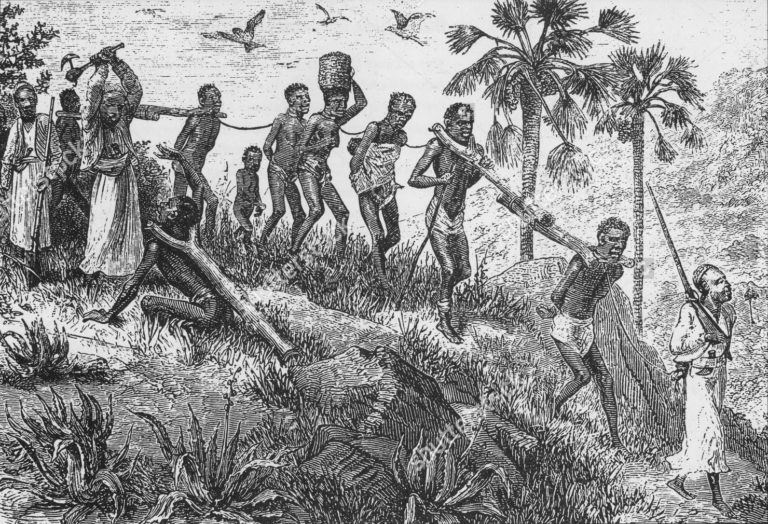
By the mid-1600s, sugar plantations dominated the island’s economy. The system depended heavily on enslaved Africans forcibly transported across the Atlantic during the transatlantic slave trade. Merchants sold enslaved Africans at public auction blocks in Bridgetown, including areas near present-day National Heroes Square (formerly Trafalgar Square). Barbados functioned both as a plantation colony and as a redistribution point. Many enslaved individuals were sold and sent to plantations across the Caribbean.

Between the 17th and early 19th centuries, tens of thousands of Africans were brought to the island, primarily from West and West-Central Africa. Their labor transformed Barbados into one of Britain’s wealthiest colonies, while creating a deeply stratified society structured by race and plantation ownership.

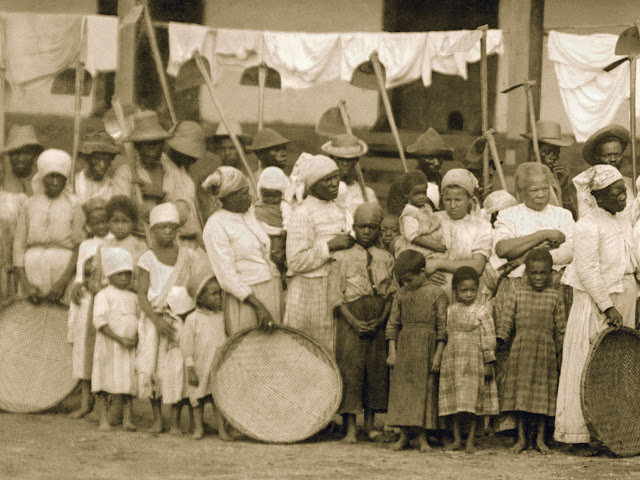
Britain ended slavery in 1834 and granted full emancipation in 1838. After emancipation, many formerly enslaved families remained tied to plantation labor under restrictive economic systems, shaping the island’s social and genealogical records for generations.

Barbados gained independence from the United Kingdom in 1966 and became a republic in 2021. Today, family historians researching Barbados will find records rooted in:

  • Anglican parish registers (dating back to the 1600s)

  • Plantation records and slave registers

  • Manumission and emancipation records

  • Probate and land ownership documents

  • Colonial administrative records

For genealogical research, understanding slavery, plantation migration, and British colonial administration is essential, as many Caribbean and North American lineages trace through Barbados.

Side Note: In 2021, Barbados announced that they would be building a museum, designed by architect David Adjaye. The site will be built next to the Newton Enslaved Burial Ground where 570 bodies of enslaved West Africans were discovered. The burial grounds contains men, women, and children from the transatlantic slave trade. Most importantly, the museum will house historical records from the slave trade along with many artifacts found during excavation.