Brazil – Historical Overview for Genealogical Research

Brazil is the largest country in South America and the only Portuguese-speaking nation in the region. Claimed for Portugal in 1500 after the arrival of Pedro Álvares Cabral, formal colonization began in 1530. Brazil remained a Portuguese colony for more than three centuries.

Brazil declared independence on September 7, 1822, becoming the Empire of Brazil under Dom Pedro I. In 1889, the monarchy was overthrown and Brazil became a republic.


Slavery and the African Diaspora in Brazil

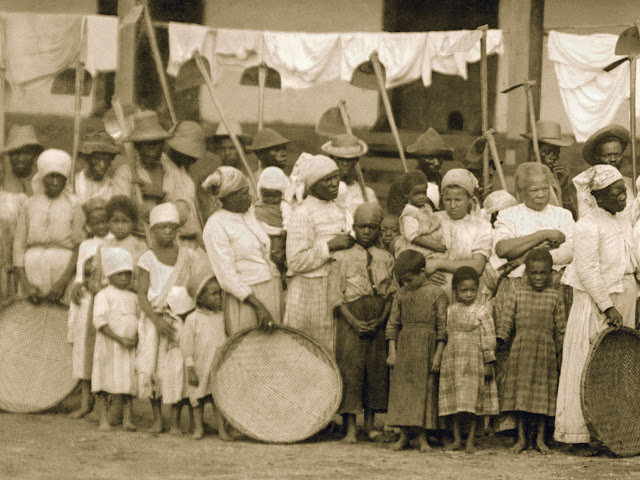
Brazil was the largest importer of enslaved Africans in the Atlantic slave trade. Between the 16th and 19th centuries, an estimated 4 to 5 million Africans were forcibly brought to Brazil — more than any other country in the Americas.

The transatlantic slave trade officially ended in 1850 with the Eusébio de Queirós Law, though illegal trafficking continued. Slavery itself was abolished on May 13, 1888, with the Lei Áurea (Golden Law). Brazil was the last country in the Western Hemisphere to abolish slavery.


Why This History Matters for Brazilian Genealogy

Brazil’s population reflects Indigenous peoples, Portuguese settlers, enslaved Africans, and later immigrants from Italy, Germany, Spain, Japan, and the Middle East.

As a result, Brazilian genealogical research may involve:

  • Portuguese colonial church records

  • Catholic parish registers (baptisms, marriages, burials)

  • Slave registers and manumission documents

  • Immigration and port records

  • Military and land grant records

  • Notarial records

Civil registration began nationally in 1889 after the establishment of the republic. Prior to that, church records are the primary source of vital information.

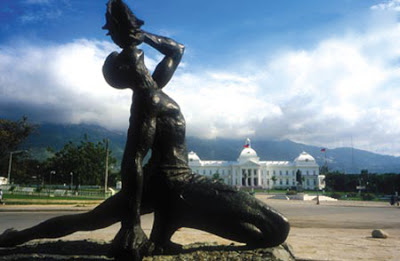
Brazil’s historical connections with the Caribbean through trade and migration also mean that records and surnames may appear across multiple regions.

Understanding these historical milestones provides essential context for interpreting Brazilian genealogical records.