Cuba Genealogy Research Guide: History, Slavery & Records

Cuba is one of the most historically significant islands in the Caribbean for genealogy research. Due to its long Spanish colonial period, large enslaved population, and later migration waves, Cuba’s ancestry records reflect a complex blend of Spanish, African, Indigenous, and immigrant heritage.

Colonial Cuba & Spanish Rule

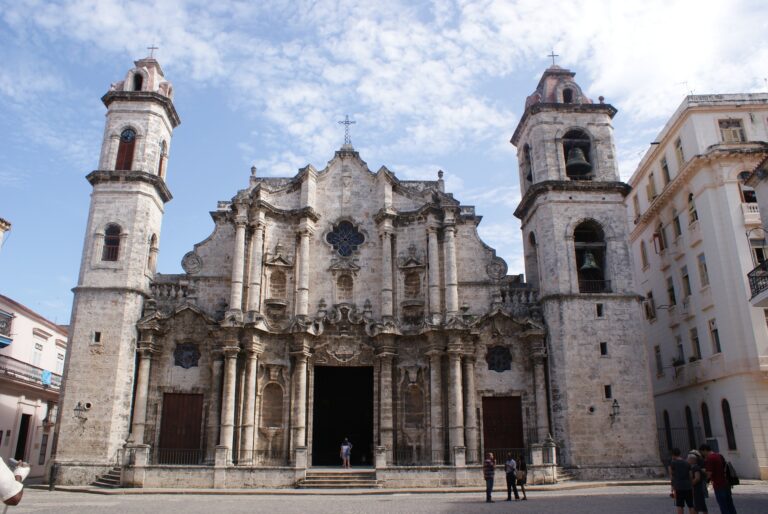
Spain claimed Cuba in 1492 following the arrival of Christopher Columbus. Formal colonization began in the early 1500s, and Cuba remained under Spanish control for nearly four centuries. During this period, Havana became a key port in Spain’s transatlantic trade network.

Cuba declared independence from Spain in 1898 after the Spanish-American War. Following a brief U.S. military occupation, the Republic of Cuba was formally established in 1902.

Slavery in Cuba

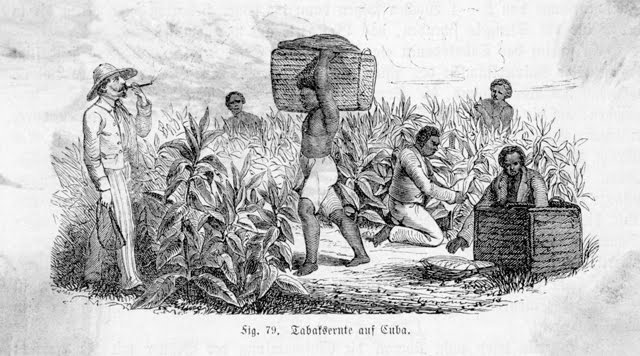
Enslaved Africans were brought to Cuba beginning in the early 1500s. By the 18th and 19th centuries, Cuba had become one of the largest sugar-producing colonies in the Caribbean, heavily dependent on enslaved labor.

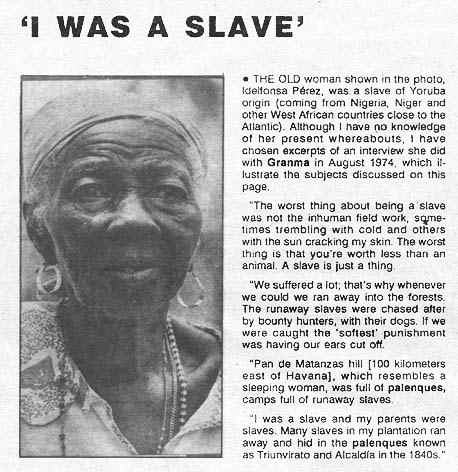
Historians estimate that more than 700,000 enslaved Africans were transported to Cuba during the transatlantic slave trade. The slave trade to Cuba officially ended in 1867 (though illegal trafficking continued for several years), and slavery itself was abolished in 1886.

For researchers tracing Afro-Cuban ancestry, parish registers, manumission records, and plantation records are especially important.

Immigration & Population Influences

Cuba’s population reflects a mixture of:

  • Spanish colonial families

  • Afro-Cuban communities

  • Indigenous Taíno ancestry (though greatly diminished after colonization)

  • Chinese indentured laborers (mid-1800s)

  • Later immigration from the Canary Islands and other parts of Spain

In the 20th century, significant migration between Cuba and the United States created additional research pathways in U.S. immigration and naturalization records.

Key Records for Cuba Genealogy Research

When researching family history in Cuba, the most valuable sources include:

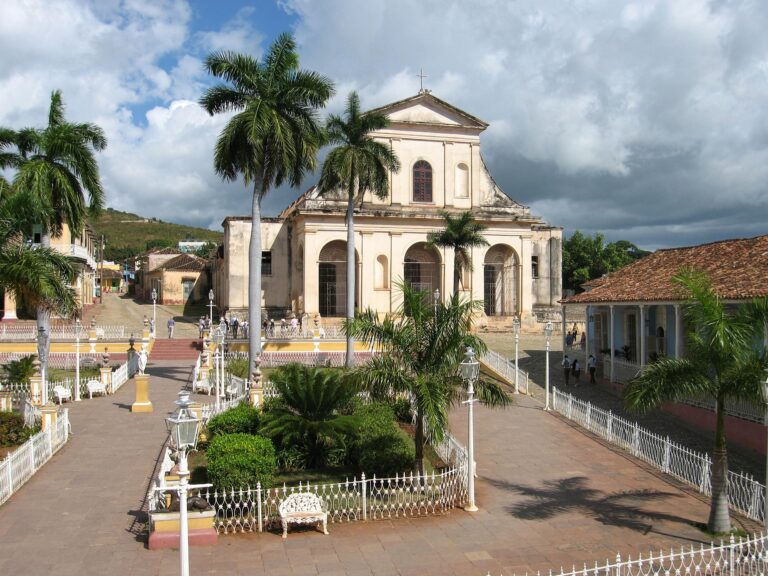
  • Catholic parish records (baptisms, marriages, burials — primary source before civil registration)

  • Civil registration records (began nationally in 1885)

  • Slave and emancipation records (pre-1886)

  • Notarial and land records

  • Immigration and naturalization documents

Understanding Cuba’s colonial history, slavery timeline, independence, and migration patterns will help guide your Cuba genealogy research strategy.