Grenada Genealogy Research Guide: History, Slavery & Records

Grenada is a southern Caribbean island nation known historically for French and British colonial rule and a plantation-based economy. For those conducting Grenada genealogy research, understanding its shifting colonial powers and emancipation timeline is essential.

Colonial History

Grenada was first claimed by France in 1649 and developed into a sugar-producing colony dependent on enslaved African labor. Control of the island shifted between France and Britain several times during the 18th century.

In 1763, under the Treaty of Paris, Grenada was formally ceded to Britain. It remained a British colony for more than 200 years before gaining independence on February 7, 1974.

Because of its French and British colonial transitions, some early records may reflect French influence, while later records follow British administrative systems.

Slavery in Grenada

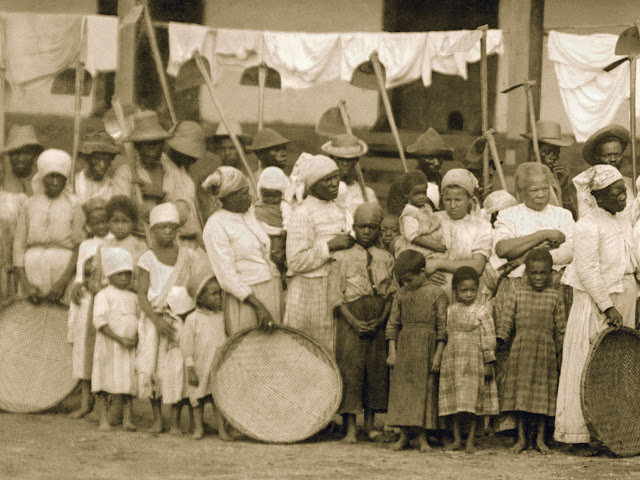
Enslaved Africans were brought to Grenada beginning in the 17th century to work on sugar plantations. By the 18th century, the enslaved population far outnumbered European settlers.

Slavery was abolished in 1834 under British emancipation laws, with full freedom granted in 1838 after the apprenticeship period ended. These dates are critical for researchers tracing Afro-Grenadian ancestry.

British slave registers (particularly those created between 1817 and 1834), plantation records, and parish registers are valuable sources for this period.

Immigration & Population Influences

Grenadian ancestry reflects:

  • African heritage (majority of the population)

  • French and British colonial families

  • Inter-island migration within the British West Indies

  • Smaller East Indian and Middle Eastern migration in the 19th and early 20th centuries

Migration between Grenada, Trinidad, Barbados, and other Caribbean islands is common, so researchers should consider regional records.

Key Records for Grenada Genealogy Research

When researching family history in Grenada, look for:

  • Anglican, Catholic, and Methodist parish records

  • British colonial slave registers (1817–1834)

  • Civil registration records (began in the late 19th century)

  • Probate and land records

  • Migration and shipping records

Understanding Grenada’s French and British colonial transitions, emancipation timeline (1834/1838), and regional migration patterns will greatly strengthen your Grenada genealogy research strategy.