Guyana Genealogy Research Guide: History, Slavery & Records

Guyana sits on the northern coast of South America and shares cultural and genealogical ties with the Caribbean. For those conducting Guyana genealogy research, understanding Indigenous history, European colonization, African slavery, and East Indian and Portuguese immigration is essential.

Indigenous Foundations

Before European contact, Guyana was inhabited by Amerindian groups, including the Arawak, Carib, and Wapishana peoples. These communities maintained structured villages, agricultural systems, and trade networks. Many modern Guyanese trace ancestry to these Indigenous groups.

Dutch & British Colonial History

The Dutch established trading posts and plantations in the 17th century along Guyana’s rivers. Britain gradually took control in the early 19th century, uniting the colonies of Demerara, Essequibo, and Berbice into British Guiana in 1831. The British created extensive administrative systems, generating parish registers, census lists, land deeds, and court records — all invaluable for genealogical research.

African Slavery

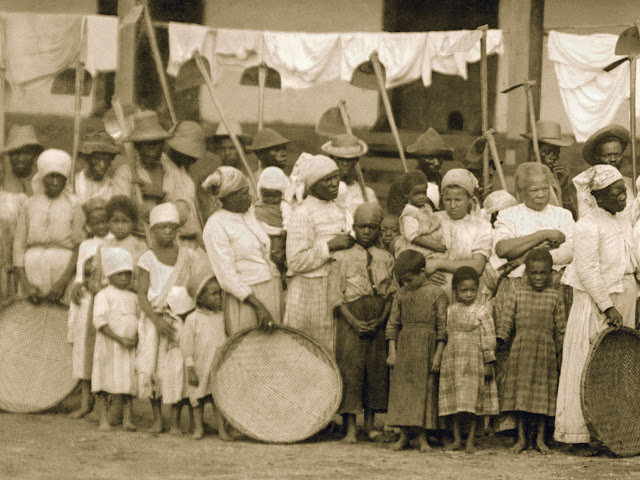
Enslaved Africans were brought to Guyana beginning in the 17th century, initially under Dutch rule, and later expanded under British plantations. Sugar and coffee estates relied heavily on forced labor. Slavery was abolished by the British in 1834, with full emancipation in 1838. Plantation records, slave registers, and manumission documents provide critical evidence for tracing Afro-Guyanese ancestry.

East Indian & Other Immigration

After emancipation, plantation owners recruited indentured laborers from India beginning in 1838. Portuguese, Chinese, and later other European immigrants also settled in Guyana. These migrations created a culturally and ethnically diverse population, with many families maintaining detailed records for legal, land, and religious purposes.

Key Records for Guyana Genealogy Research

Genealogists researching Guyanese ancestry should focus on:

  • Parish registers and church records (Anglican, Catholic, and Hindu)

  • Dutch and British colonial censuses and land records

  • Slave registers and manumission documents

  • Indentured labor contracts (primarily Indian)

  • Probate, court, and notarial records

  • Immigration and passenger lists

Understanding the interplay of Indigenous, African, European, and East Indian ancestry is essential for reconstructing Guyanese family histories. Many families also have links to Trinidad, Suriname, and other Caribbean colonies due to migration and trade networks.