Jamaica Genealogy Research Guide: History, Slavery & Records

Jamaica plays a central role in Caribbean genealogy research due to its long British colonial history, plantation economy, and detailed emancipation records. If you are conducting Jamaica genealogy research, understanding the island’s colonial structure and slavery timeline will help you locate records more effectively.

Colonial History

In 1494, Christopher Columbus arrived in Jamaica and claimed the island for Spain. However, in 1655, England seized Jamaica and established it as a British colony. Over time, British planters expanded sugar production and transformed Jamaica into one of the largest plantation economies in the Caribbean.

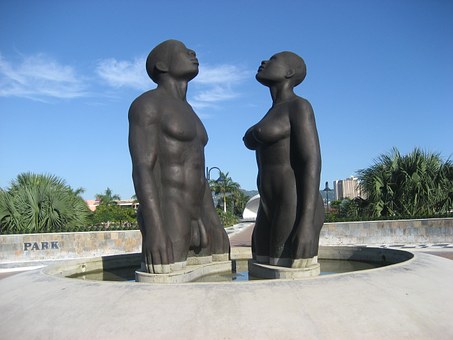
Jamaica remained under British rule for more than three centuries. Eventually, the island gained independence on August 6, 1962.

Slavery in Jamaica

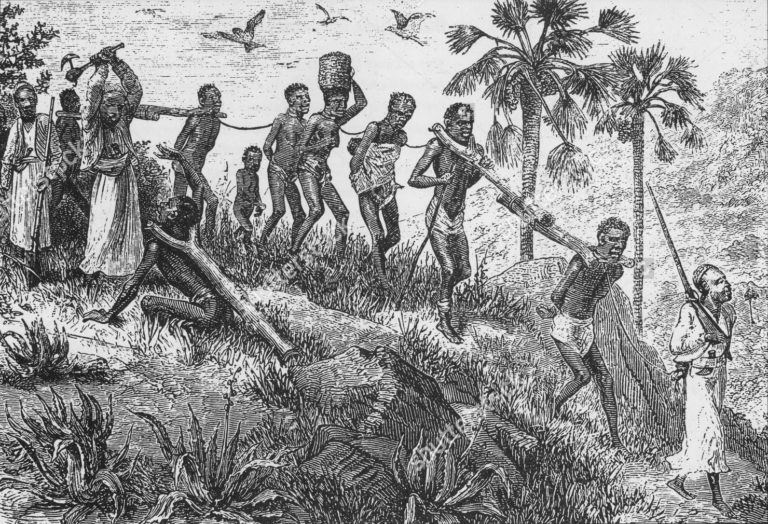
Beginning in the 16th century, traders transported enslaved Africans to Jamaica. By the 18th century, enslaved Africans formed the overwhelming majority of the population. Historians estimate that traders brought more than 900,000 enslaved Africans to the island during the transatlantic slave trade.

In 1834, Britain ended slavery in Jamaica and introduced a four-year apprenticeship system. Four years later, on August 1, 1838, full emancipation took effect. As a result, British slave registers (1817–1834), plantation records, and parish registers provide valuable documentation for tracing enslaved and emancipated ancestors.

Key Records for Jamaica Genealogy Research

When researching family history in Jamaica, prioritize:

  • Anglican parish registers (baptisms, marriages, burials)

  • British slave registers and emancipation records

  • Civil registration records (began in 1878)

  • Probate and land records

  • Immigration and overseas records

Because of Jamaica’s plantation economy, emancipation timeline, and later migration patterns, records often connect families across the Caribbean, the United Kingdom, Canada, and the United States.