Tortola British Virgin Islands Church Records 1815 – 2012
Church Records for Tortola, British West Indies
The Leeward Islands are a group of islands in the northeastern Caribbean, including Antigua & Barbuda, Saint Kitts & Nevis, Anguilla, Montserrat, and others. For genealogy research, understanding Indigenous settlement, European colonization, African slavery, and migration patterns is essential.
Before European arrival, the islands were inhabited by the Kalinago (Island Carib) people. The Kalinago maintained organized communities, practiced agriculture, and traded across the Caribbean. Many modern families in the Leeward Islands carry Kalinago or mixed Indigenous ancestry.
The Leeward Islands experienced competition among European powers, primarily Britain, France, and the Netherlands. British colonization eventually became dominant, establishing plantation economies and administrative systems that generated detailed records.
Early European settlements relied on parish registers, censuses, notarial records, and land deeds — foundational sources for genealogists. Control shifted between nations in the 17th and 18th centuries, requiring researchers to consult both French and British colonial archives depending on the island and period.
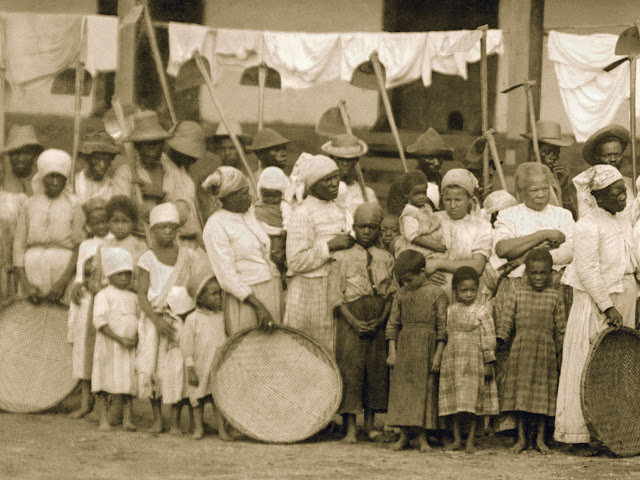
Plantation agriculture, especially sugar cultivation, depended on enslaved Africans brought from West and West-Central Africa. Slaves were sold at public auction blocks and worked under harsh conditions. Slavery in the Leeward Islands was abolished by the British in 1834, with full emancipation in 1838.
Slave registers, manumission documents, and plantation records are crucial for tracing African ancestry in these islands. These records often include names, owners, ages, and sometimes origins.
Leeward Islands ancestry reflects a blend of:
African heritage from enslaved populations
European settlers (primarily British and French)
Indigenous Kalinago ancestry
Later migrations from other Caribbean islands
Post-emancipation settlement patterns, migration to other Caribbean colonies, and 20th-century migration to the United States and the United Kingdom further influence genealogical research.
Family historians should prioritize:
Parish registers (baptisms, marriages, burials)
Slave registers and manumission records
Plantation inventories and land deeds
Colonial censuses and administrative records
Probate, wills, and court documents
Immigration and passenger lists
Understanding the interplay of Indigenous, African, and European populations is critical for reconstructing family histories across the Leeward Islands.
Church Records for Tortola, British West Indies
One of the greatest things about this time of year is the spirit of giving. It goes without saying that I enjoy sharing things I find to share with others. As a kid, I recall my grandfather recounting how there were family members on the island of Monserrat. In addition, the horrible active volcano that…
Genealogy research in the Caribbean can feel challenging, especially when tracing ancestors back to the 1700s. Many researchers assume they must travel to the islands to locate original documents. However, that is not always necessary. For islands such as Antigua, Nevis, St. Christopher (now known as St. Kitts), Montserrat, and Falmouth, valuable historical records are…
A great source on researching your African ancestors is the Trans-Atlantic Slave Voyages website. The website contains over 36,000 Voyages of enslaved Africans. This website covers the entire globe so this will pertain to all islands and countries were Africans were forced into labor.Ancestry also has a great number of databases in their catalog. One…