View Puerto Rico Municipalities Directory

Puerto Rico Genealogy Research Guide: History, Slavery & Records

Puerto Rico is a Caribbean island with a rich Spanish colonial history and a unique political relationship with the United States. For those conducting Puerto Rico genealogy research, understanding Indigenous roots, Spanish administration, slavery, and U.S. territorial records is essential.

Indigenous Foundations

Before European contact, the Taíno people inhabited the island, which they called Borikén. They developed organized chiefdoms, agricultural systems, and extensive trade networks throughout the Caribbean. After 1493, Spanish colonization devastated much of the Taíno population through forced labor, warfare, and disease.

However, Taíno ancestry did not disappear. Modern genetic and historical research confirms that many Puerto Rican families descend in part from Taíno women who survived the early colonial period. Today, Indigenous heritage remains a visible and cultural part of Puerto Rican identity.

Colonial History

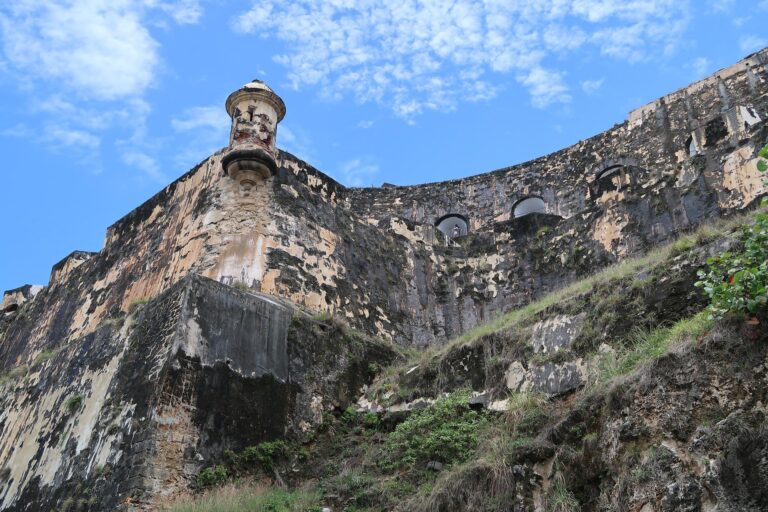
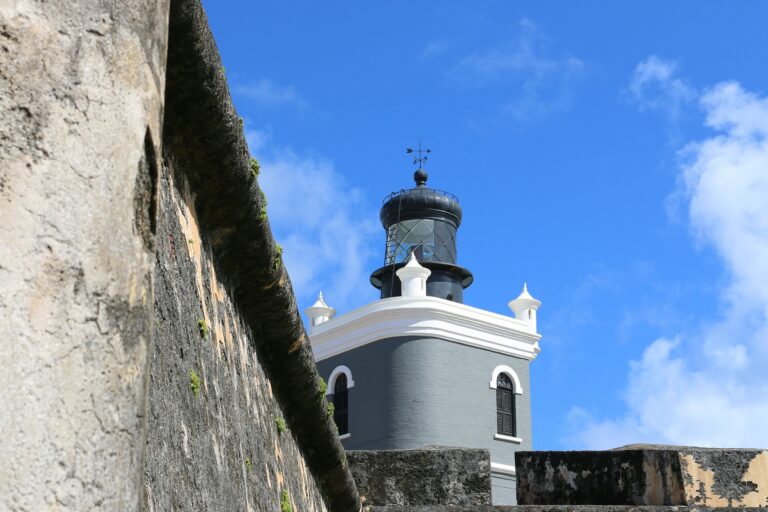
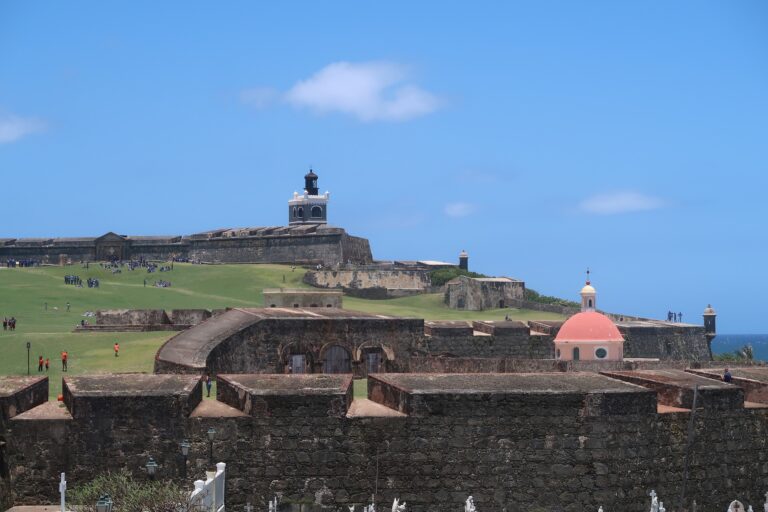
In 1493, Christopher Columbus arrived and claimed the island for Spain. Spanish settlers soon established colonial rule and developed San Juan into a major military and trade port. For more than four centuries, Spain governed Puerto Rico as part of its Caribbean empire.

Spain created detailed administrative systems that generated valuable genealogical records. These include parish registers, censuses, tax lists, notarial protocols, military records, and civil documentation.

In 1898, the Spanish–American War changed Puerto Rico’s political future. Spain ceded the island to the United States under the Treaty of Paris. As a result, Puerto Rico became a U.S. territory, which significantly affects modern records and migration patterns.

Slavery in Puerto Rico

Spanish colonists introduced enslaved Africans in the early 1500s. Plantation owners relied on enslaved labor to support sugar, coffee, and tobacco production. Enslaved Africans and their descendants formed a vital part of the island’s population and culture.

Spain abolished slavery in Puerto Rico in 1873. Authorities imposed a short apprenticeship system, but full freedom followed soon after. This date is critical for tracing Afro–Puerto Rican ancestry.

Because Spanish officials maintained structured records, researchers can find enslaved individuals listed in:

  • Parish baptism, marriage, and burial registers

  • Notarial records documenting sales and manumissions

  • Slave schedules and municipal censuses

  • Property and inheritance records

These documents often identify enslaved people by name, owner, racial classification, and place of origin.

Immigration & Population Influences

Puerto Rican ancestry reflects a blend of:

  • Spanish colonial families

  • African heritage

  • Indigenous Taíno ancestry

  • Corsican migration

  • Canary Island settlers

  • 19th-century European immigration

During the 20th century, large migration waves reshaped Puerto Rican genealogy. After the United States granted U.S. citizenship to Puerto Ricans in 1917 under the Jones–Shafroth Act, many Puerto Ricans served in the U.S. military and relocated to cities such as New York, Chicago, and Philadelphia.

As a result, Puerto Rican ancestors may appear in:

  • U.S. Federal Census records (beginning in 1910 for the island)

  • U.S. military draft registrations and service records

  • Passenger arrival records between Puerto Rico and mainland U.S. ports

  • Social Security applications and claims

  • Naturalization and territorial citizenship records

Understanding both Spanish colonial documentation and U.S. territorial records is essential when tracing Puerto Rican ancestry. Researchers often need to move between Spanish-language church records and U.S. federal archives to reconstruct family lines accurately.


Puerto Rico Municipalities Research Directory

Select a municipality below to explore local parish records, civil registration, censuses, and historical documentation.