Mayagüez Genealogy & Historical Overview

Mayagüez, located on the western coast of Puerto Rico, has long been one of the island’s most important commercial and administrative centers. Founded on September 18, 1760, the town was originally established under the name Nuestra Señora de la Candelaria de Mayagüez. The settlement grew out of earlier rural communities in the region. Mayagüez is strategically positioned along the Mona Passage, which made it a key coastal hub for trade and agriculture.

The name “Mayagüez” is believed to derive from a Taíno term, reflecting the island’s Indigenous roots prior to Spanish colonization. During the late 18th and early 19th centuries, Mayagüez expanded steadily as sugar and coffee production increased in western Puerto Rico. By the mid-1800s, it had developed into one of the island’s most prosperous towns and was officially granted city status in 1877 under Spanish rule.

The Fires That Shaped the City

Like many colonial Caribbean towns built largely of wood, Mayagüez suffered devastating fires during the 19th century. One of the most destructive occurred in 1841, severely damaging much of the urban center. Another major fire in 1854 caused extensive destruction, reshaping the layout and architecture of the town. These disasters led to rebuilding efforts that gradually replaced wooden structures with masonry buildings, influencing the city’s later architectural character.

Because of these fires, some early municipal and notarial records may be incomplete or lost. However, parish registers were often preserved separately, which is critical for genealogical research.

Ecclesiastical & Civil Records

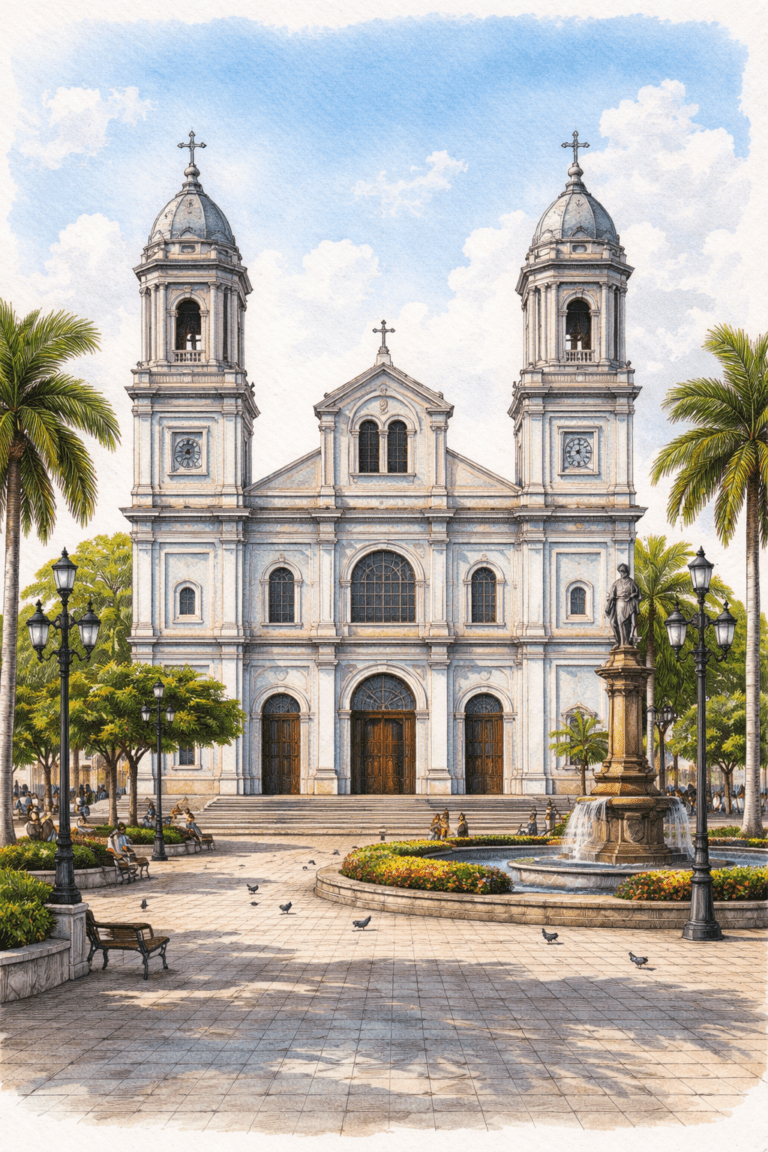
The principal Roman Catholic parish, Nuestra Señora de la Candelaria, dates back to the town’s founding in 1760. Parish registers from the late 18th century forward are essential for tracing baptisms, marriages, and burials prior to the start of civil registration in 1885.

In addition to parish records, researchers should consult:

  • Civil registration records (post-1885)

  • Notarial records

  • Property and land transactions

  • Military and municipal records

  • Immigration and port documentation

Because Mayagüez served as a major port city, residents and migrants frequently appear in shipping and commercial records. The city’s economic prominence in the 19th century means that documentation can be especially rich for merchants, landowners, and skilled laborers.

Understanding Mayagüez’s history — from its 1760 founding, through the destructive fires, to its rise as a commercial powerhouse — provides essential context when navigating its genealogical records.