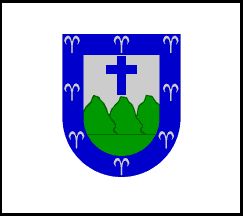
Trujillo Alto Genealogy & Historical Overview

Trujillo Alto is located just south of the capital city of San Juan and forms part of the island’s northeastern interior corridor. Although today it is closely connected to the metropolitan area, its origins trace back to the Spanish colonial period and rural settlement patterns that shaped much of the region.

The area was officially founded as a municipality in 1801. Its name reflects its earlier identity as part of the larger Trujillo region, which historically included what is now Trujillo Alto and Trujillo Bajo (modern Carolina). Over time, administrative divisions separated these areas into distinct municipalities, which is important for genealogical research. Records created before 1801 may appear under different jurisdictions, and researchers should consider neighboring towns when tracing earlier generations.

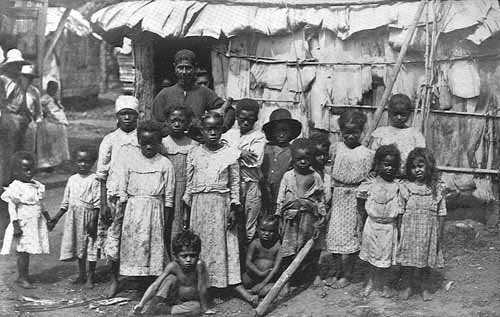
During the 19th century, Trujillo Alto developed as an agricultural community. Coffee, subsistence farming, and small-scale livestock operations supported much of the population. Because of its proximity to San Juan, residents frequently appear in regional trade, military, and ecclesiastical records. Movement between Trujillo Alto, Río Piedras, and Carolina was common, so cross-referencing surrounding municipalities is often necessary.

Parish & Civil Records

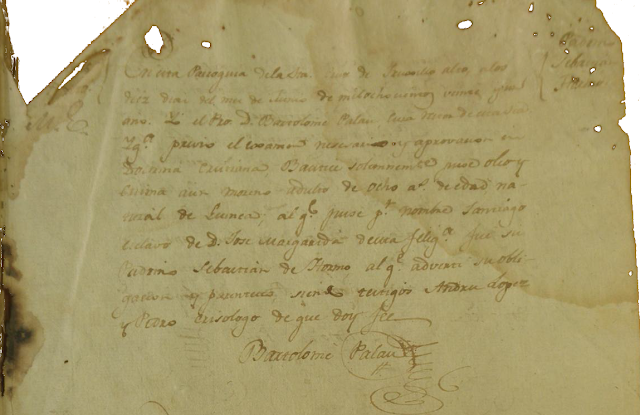
Early sacramental records for the area were historically connected to neighboring parishes before the establishment of a local parish structure. As the municipality formalized, Roman Catholic parish registers began documenting baptisms, marriages, and burials locally. These records are essential for research prior to the start of civil registration in 1885.

Researchers tracing families in Trujillo Alto should consult:

  • Roman Catholic parish registers (19th century forward)

  • Civil registration records (post-1885)

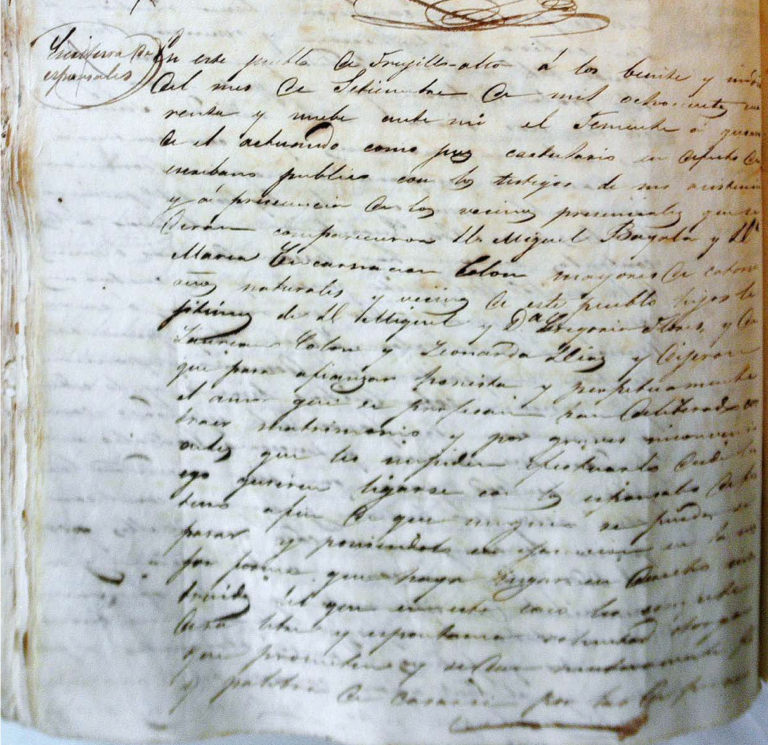
  • Notarial and land records

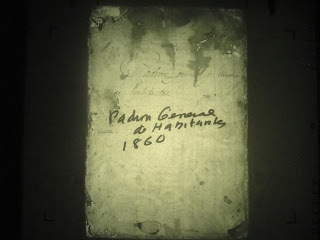
  • Municipal censuses and tax lists

  • Military service documentation

Because administrative boundaries shifted over time, understanding the municipality’s 1801 founding and its earlier jurisdictional ties is critical when locating records. Trujillo Alto’s history as a rural yet strategically positioned community means that documentation may appear both locally and in surrounding municipal archives.

Careful attention to jurisdictional changes and parish coverage will greatly improve research success in this municipality.