Trinidad & Tobago Genealogy Research Guide: History, Slavery & Records

Trinidad and Tobago is a twin-island nation in the southern Caribbean with a complex colonial history and one of the most diverse populations in the region. For those conducting Trinidad & Tobago genealogy research, understanding its Spanish beginnings, British administration, slavery timeline, and post-emancipation immigration is essential.

Colonial History

In 1498, Christopher Columbus arrived in Trinidad and claimed the island for Spain. Although Spain controlled Trinidad for centuries, it remained sparsely populated until the late 1700s. In 1797, Britain captured Trinidad, and Spain formally ceded it in 1802.

Tobago changed hands multiple times between European powers before Britain consolidated control in the early 19th century. Eventually, Britain united Trinidad and Tobago administratively in 1889. The country gained independence from the United Kingdom on August 31, 1962.

Slavery in Trinidad & Tobago

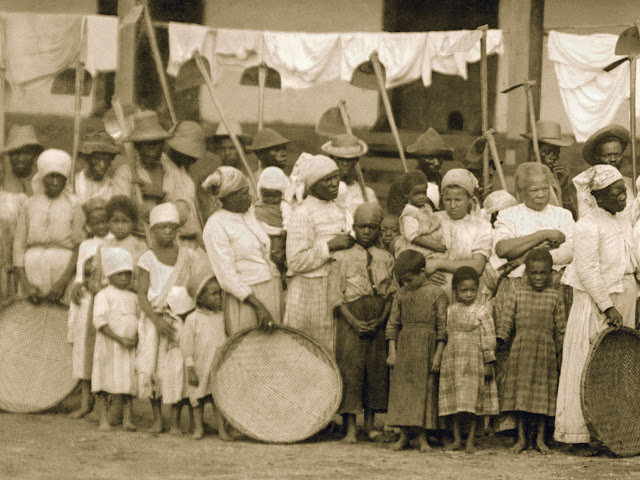
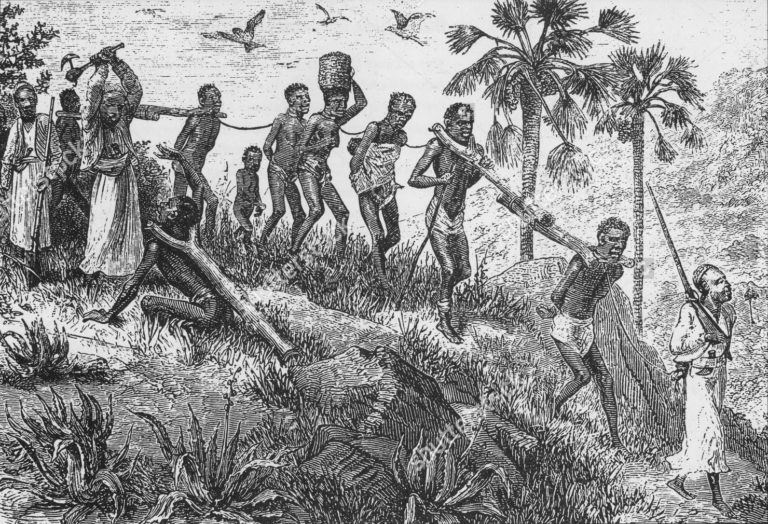
Enslaved Africans were brought to Trinidad and Tobago beginning in the 17th century. Plantation owners relied heavily on enslaved labor for sugar production.

Britain abolished slavery in 1834 and introduced a period of apprenticeship. In 1838, full emancipation took effect. These dates are critical when tracing Afro-Trinidadian and Afro-Tobagonian ancestry.

British slave registers (1817–1834), plantation records, and parish registers provide valuable documentation for this period.

Indentured Immigration & Population Influences

After emancipation, plantation owners recruited indentured laborers from India beginning in 1845. As a result, Trinidad & Tobago has one of the largest East Indian populations in the Caribbean. Chinese and Portuguese immigrants also arrived during the 19th century.

Today, ancestry in Trinidad & Tobago commonly reflects:

  • African heritage

  • East Indian ancestry

  • Spanish and French Creole families

  • British colonial influence

  • Chinese and Portuguese migration

Because of migration patterns, families may appear in records across Guyana, Grenada, Barbados, and the United Kingdom.

Key Records for Trinidad & Tobago Genealogy Research

When researching family history in Trinidad & Tobago, prioritize:

  • Anglican and Catholic parish registers

  • British slave registers (1817–1834)

  • Indentured labor records (post-1845)

  • Civil registration records (began in 1847)

  • Probate, land, and immigration records

Understanding emancipation (1834/1838), indentureship (beginning 1845), and colonial transitions will significantly strengthen your Trinidad & Tobago genealogy research strategy.