U.S. Virgin Islands Genealogy Research Guide: History, Slavery & Records

U.S. Virgin Islands is a Caribbean territory of the United States with a layered colonial history shaped by Spanish claims, Danish rule, African slavery, and American governance. For those conducting U.S. Virgin Islands genealogy research, understanding each colonial period is essential.

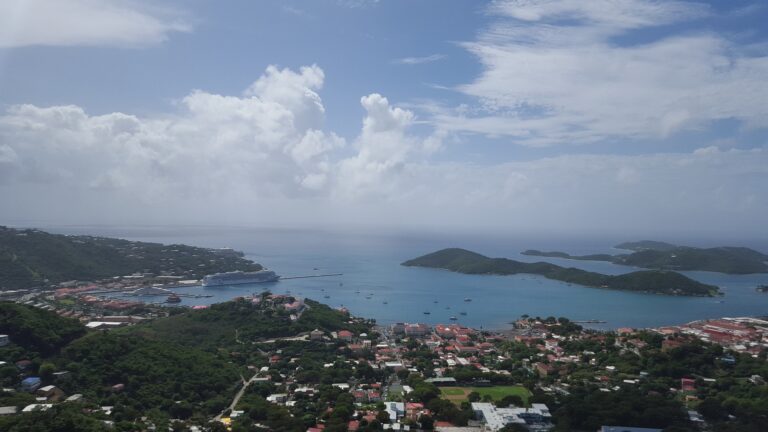
The main islands include St. Thomas, St. Croix, and St. John. Each island generated different types of records depending on the governing power at the time.

Indigenous & Early Spanish Period

Before European contact, the Taíno and later the Kalinago peoples inhabited the islands. In 1493, Christopher Columbus sailed through the area during his second voyage and claimed the islands for Spain.

Spain never established large permanent settlements on these specific islands. However, Spanish exploration and early slave raids affected the Indigenous population. Over time, European conflict and disease reduced much of the Indigenous presence.

Danish Colonial Rule

Denmark formally colonized St. Thomas in 1672, St. John in 1718, and purchased St. Croix from France in 1733. The islands became known as the Danish West Indies.

The Danish developed sugar plantations and created detailed administrative systems. These records include:

  • Lutheran parish registers

  • Slave registers

  • Plantation inventories

  • Census records

  • Property and court documents

These Danish-language archives are critical for 18th- and 19th-century genealogy research.

African Slavery & Emancipation

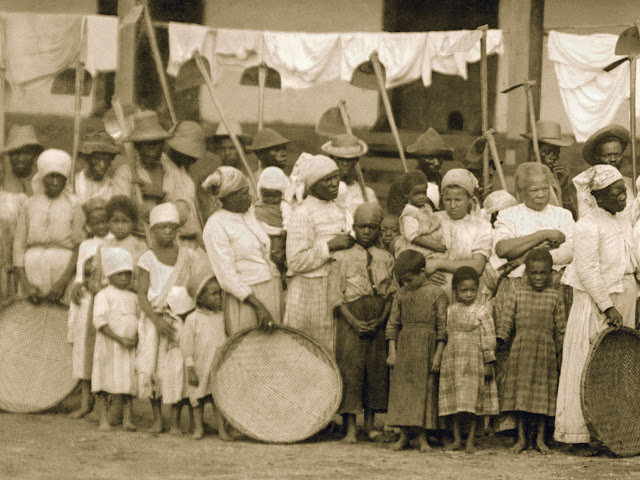
Planters imported enslaved Africans to labor on sugar estates. Enslaved people formed the majority of the population under Danish rule.

In 1848, after a major labor uprising on St. Croix, Denmark abolished slavery immediately. Slave registers from this period are especially valuable because they often list names, ages, family relationships, plantation assignments, and sometimes African birthplaces.

Transfer to the United States

In 1917, Denmark sold the islands to the United States under the Treaty of the Danish West Indies. The territory became known as the U.S. Virgin Islands.

Residents gained U.S. citizenship in 1927. After this transition, record systems shifted to American administration. Researchers must examine both Danish colonial archives and U.S. territorial and federal records.

Modern Records & Migration

Following U.S. governance, Virgin Islanders began appearing in:

  • U.S. Federal Census records

  • U.S. military draft and service records

  • Passenger travel records between the islands and mainland ports

  • Social Security applications

  • Territorial court and civil registration documents

20th-century migration to New York and other mainland cities expanded the documentary trail for many families.

Key Records for U.S. Virgin Islands Genealogy Research

Researchers should prioritize:

  • Danish Lutheran parish registers

  • Slave registers and plantation records

  • Danish census and property archives

  • Manumission and emancipation records

  • U.S. federal census records (post-1917)

  • U.S. military and citizenship documentation

  • Territorial probate and court files

Tracing U.S. Virgin Islands ancestry requires moving between Spanish-era historical context, Danish colonial records, and modern U.S. archives.